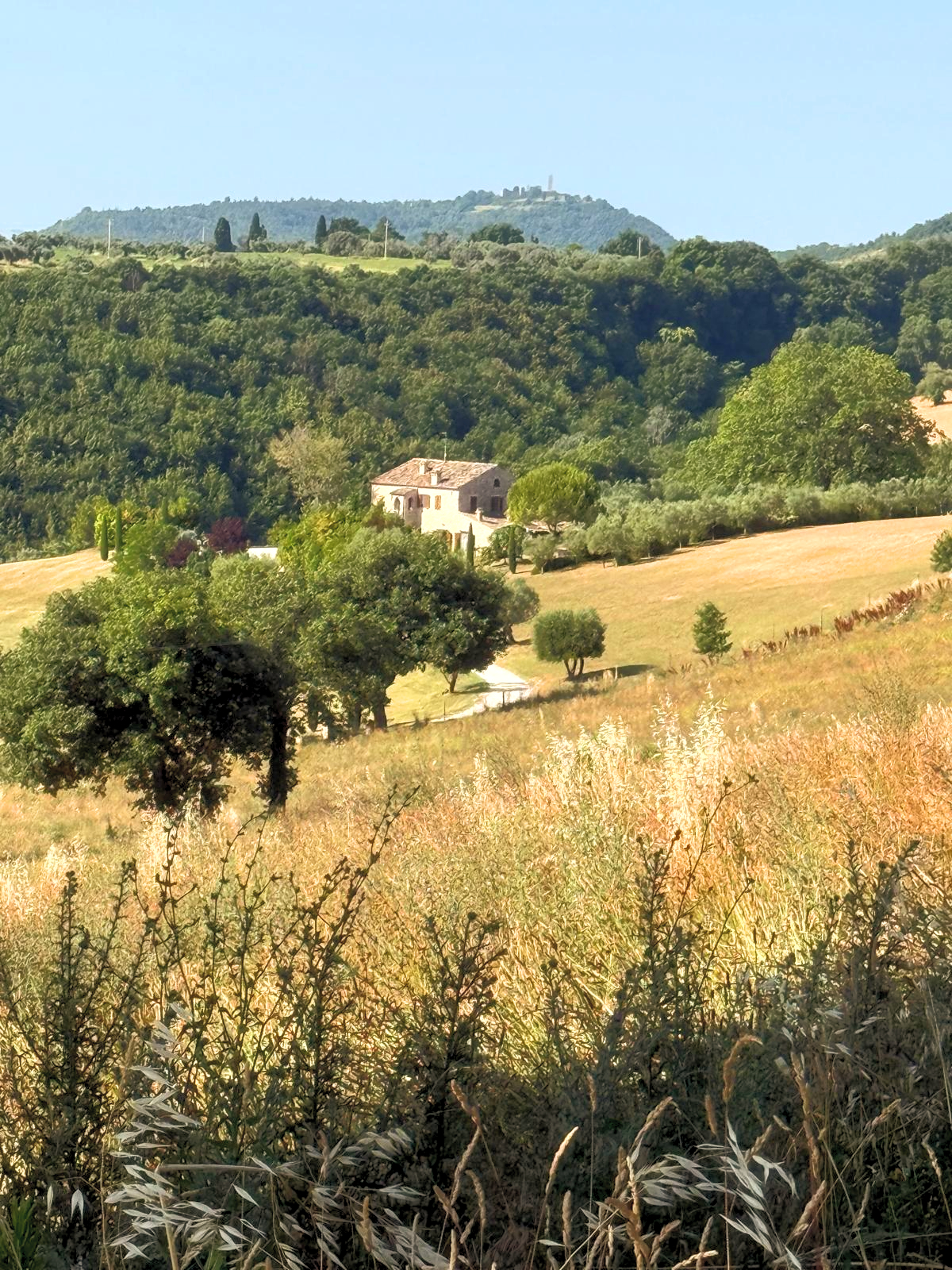
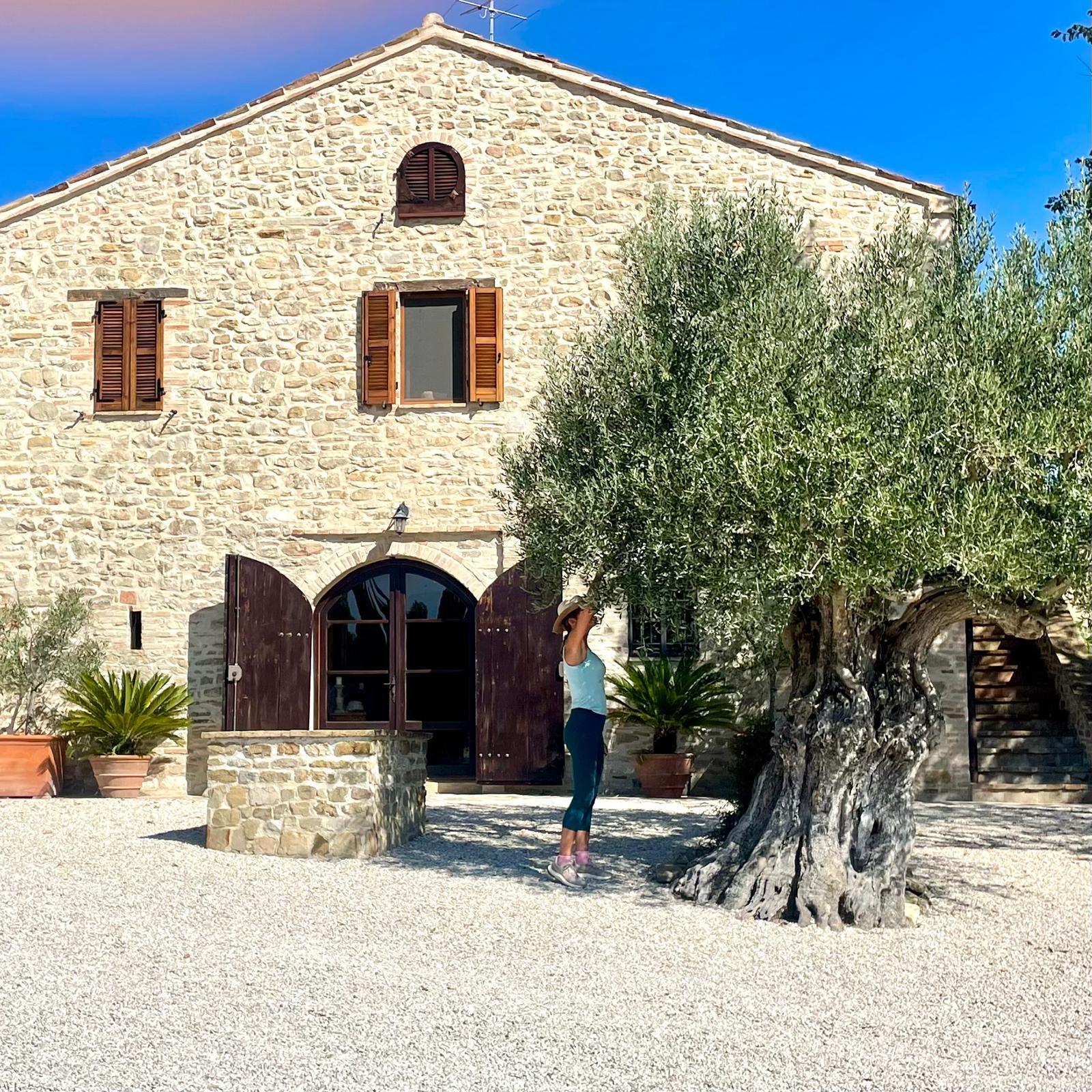
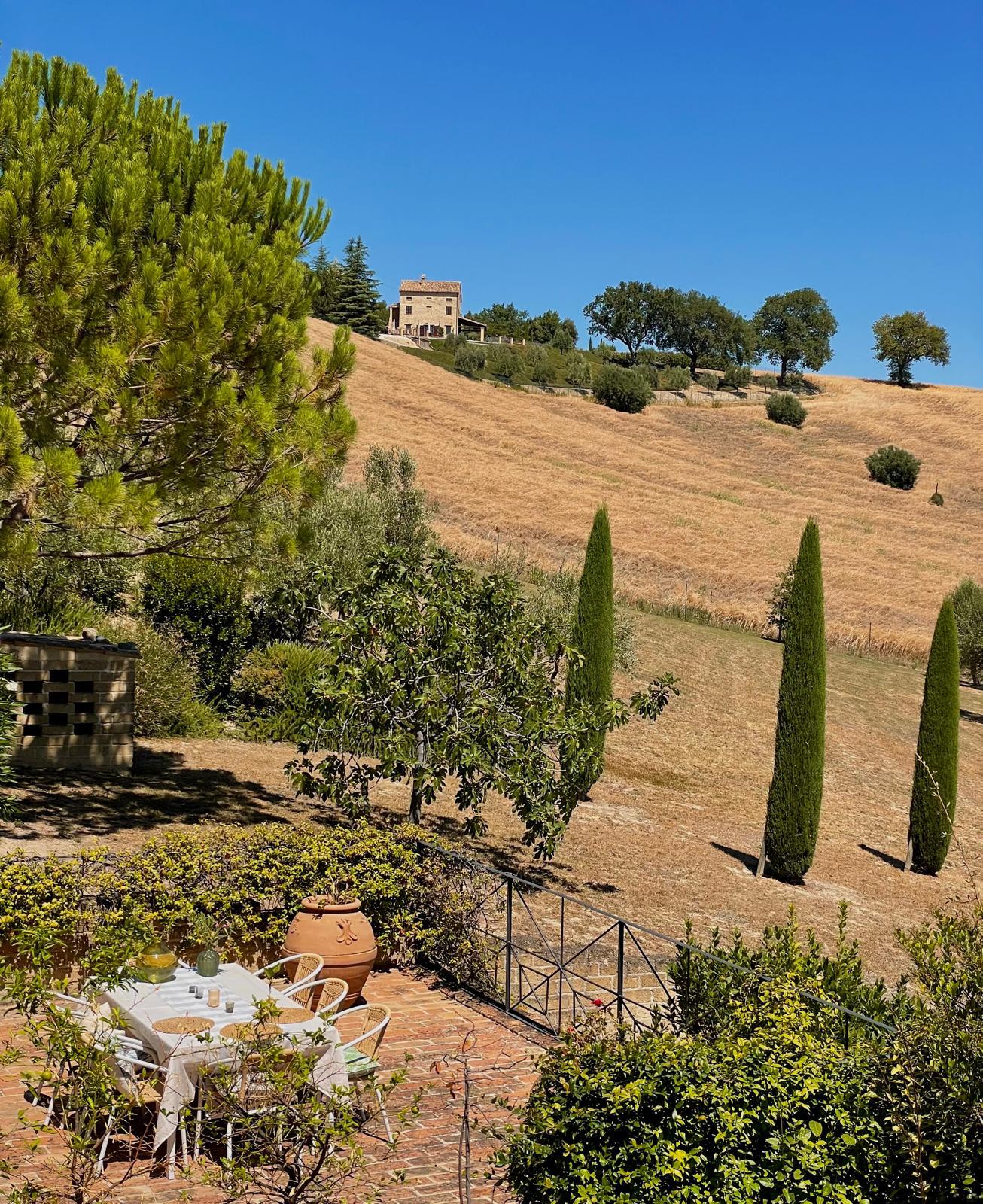
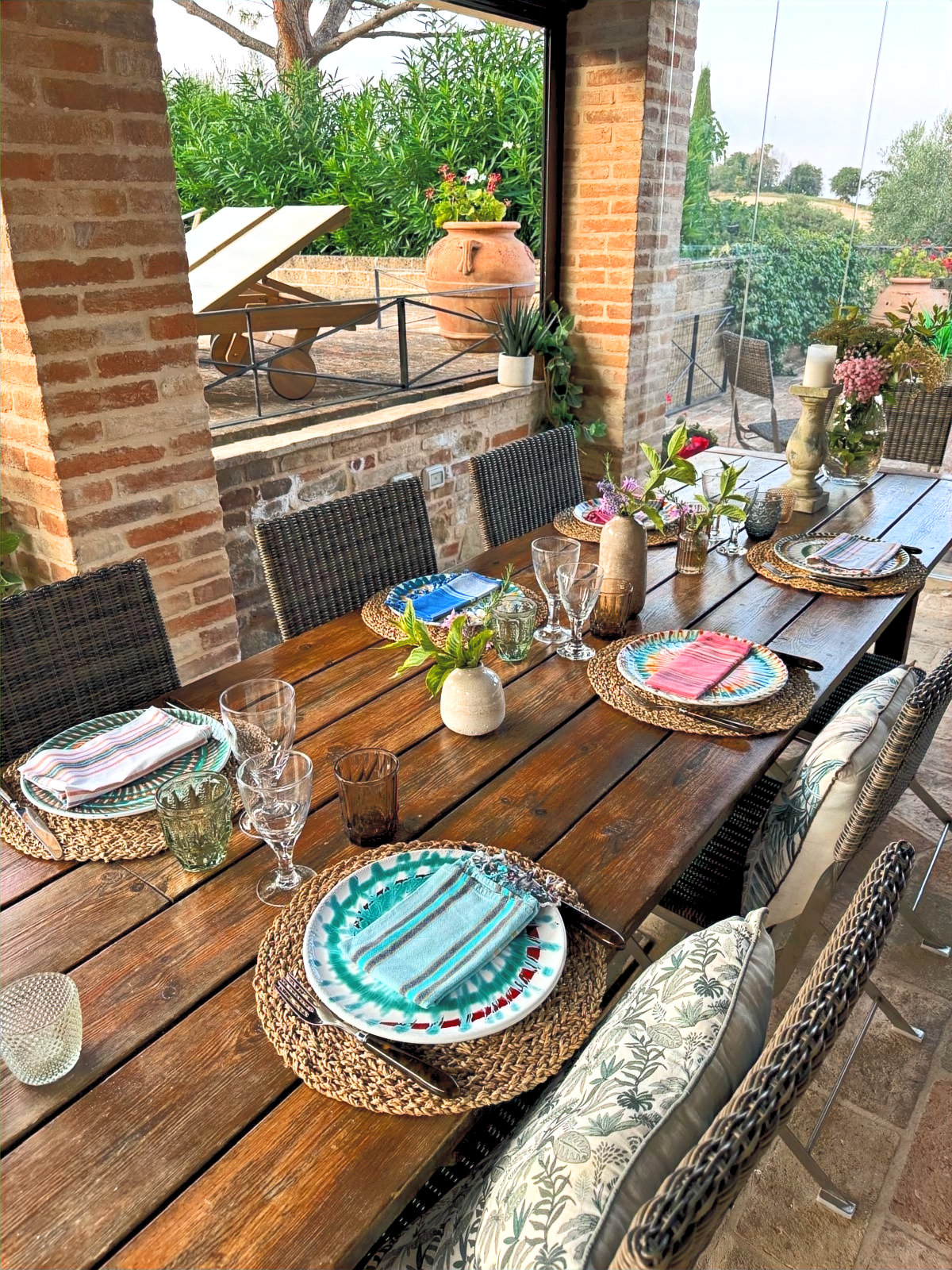
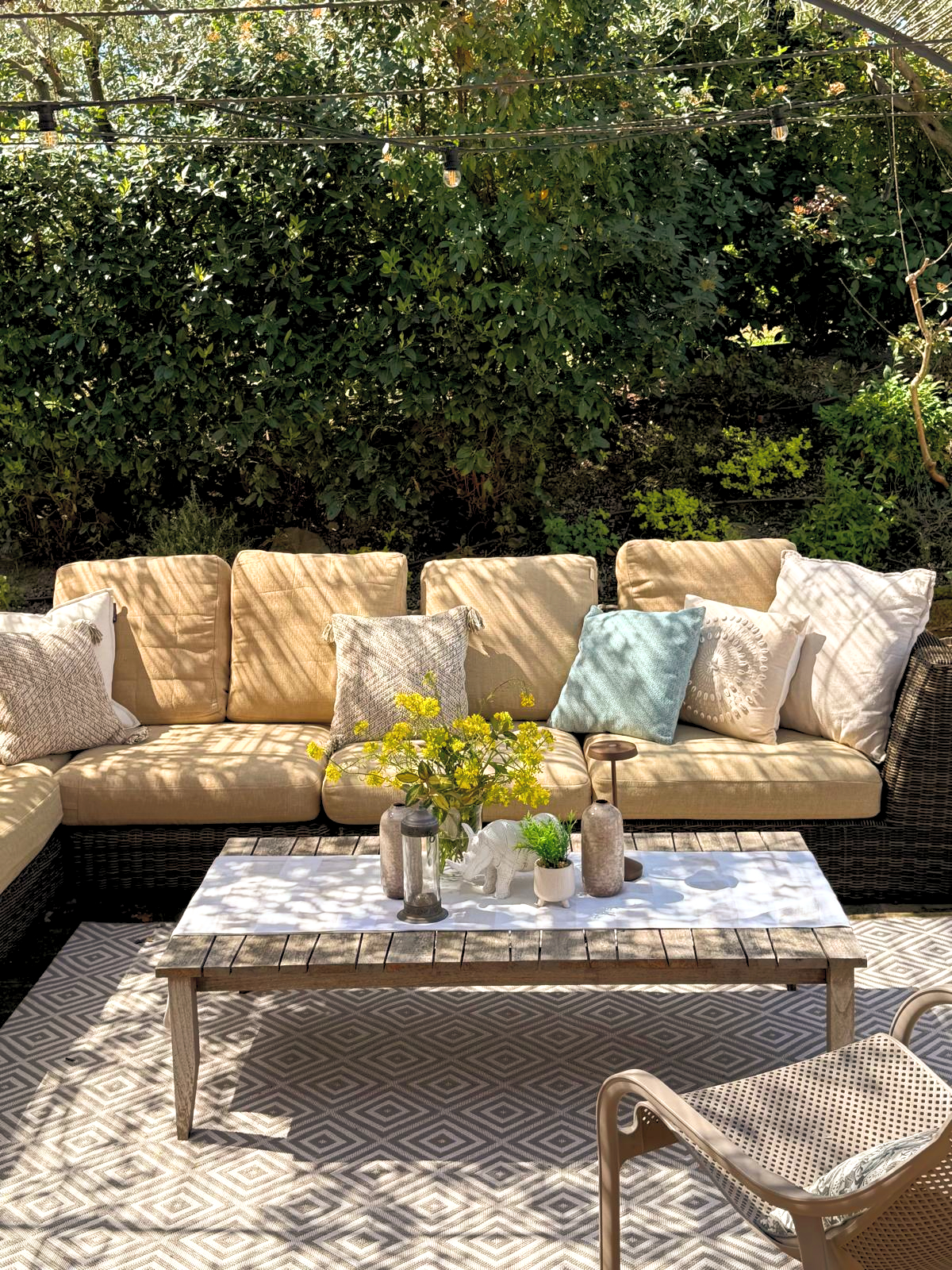
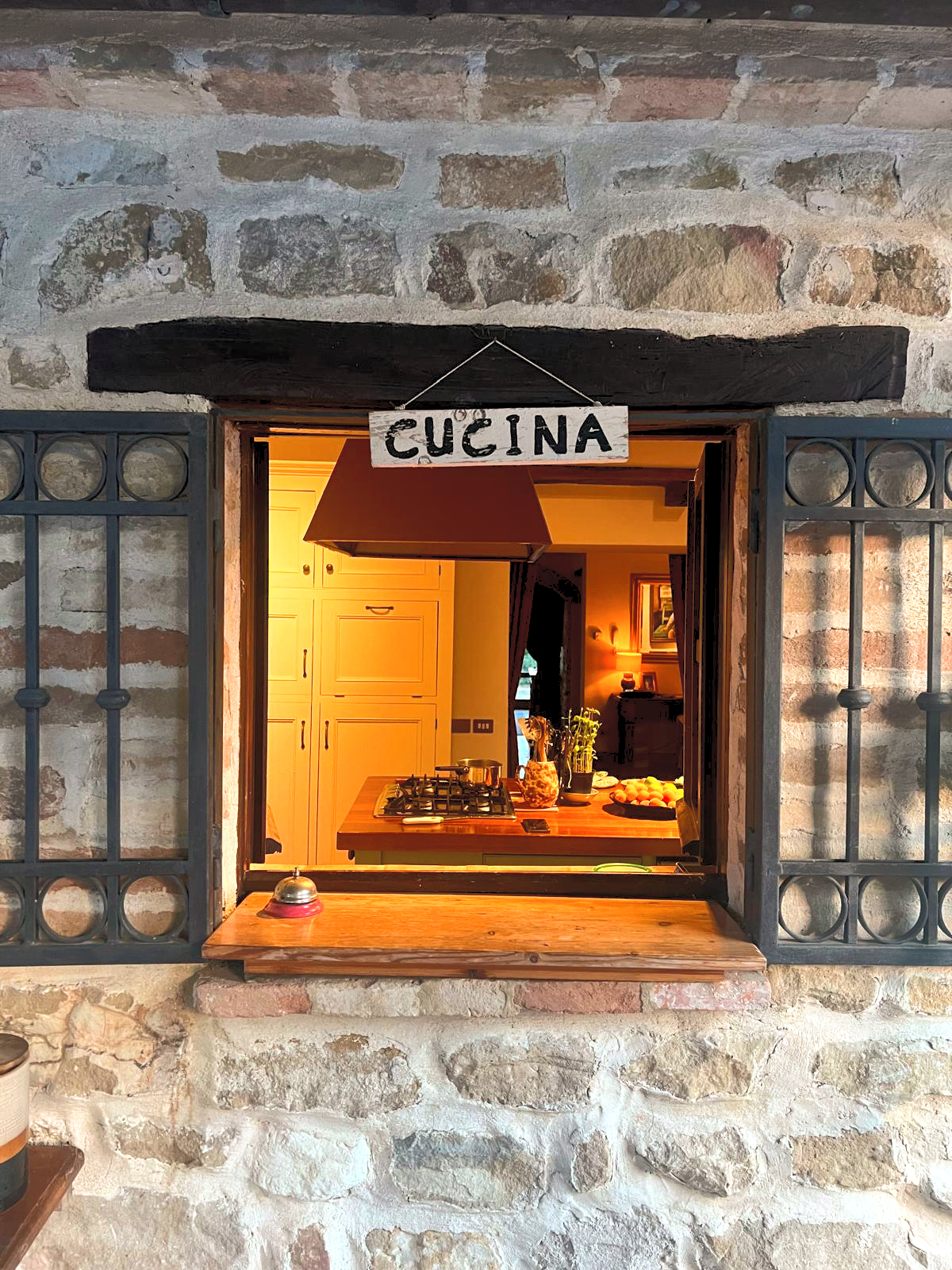
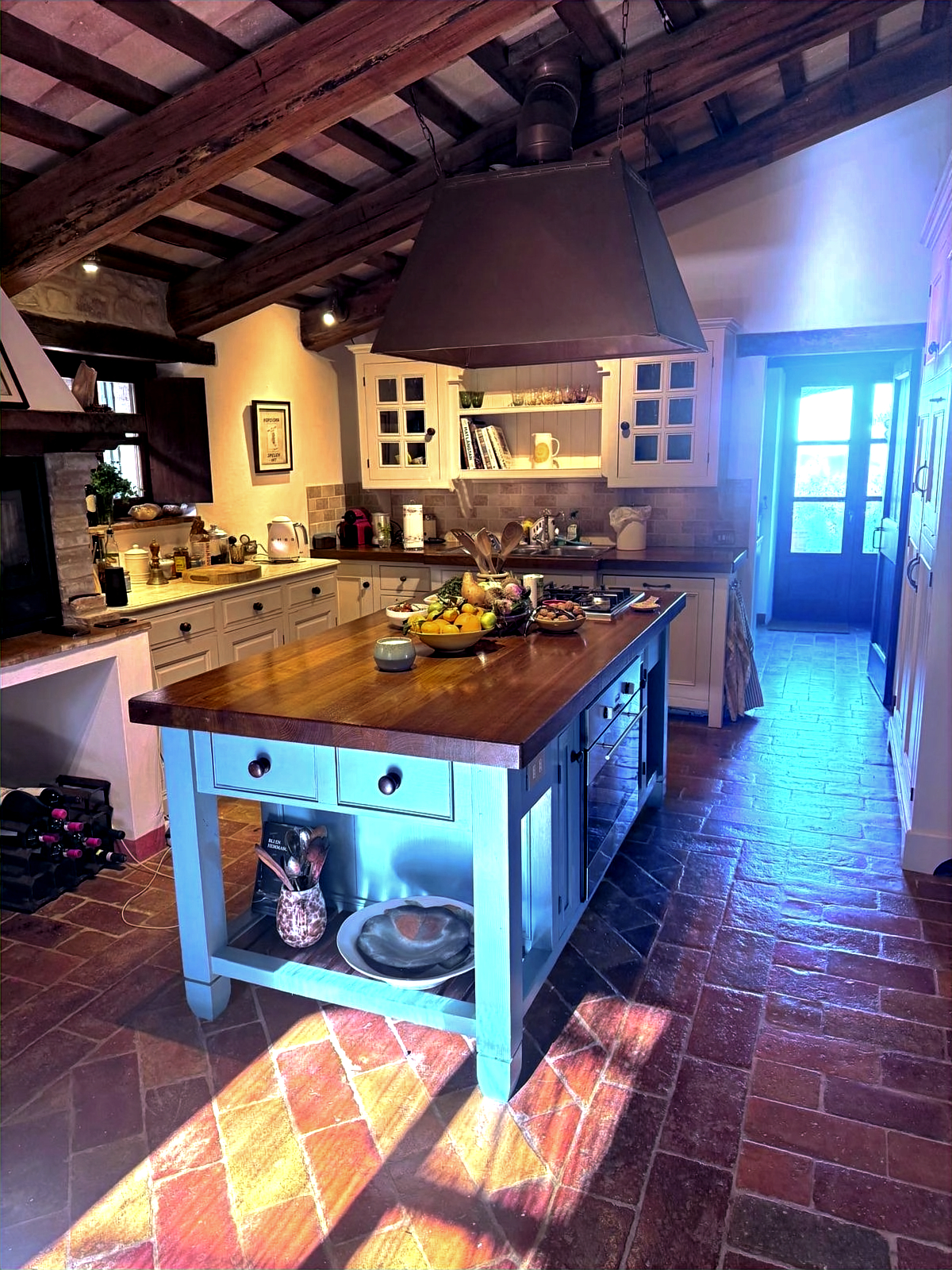
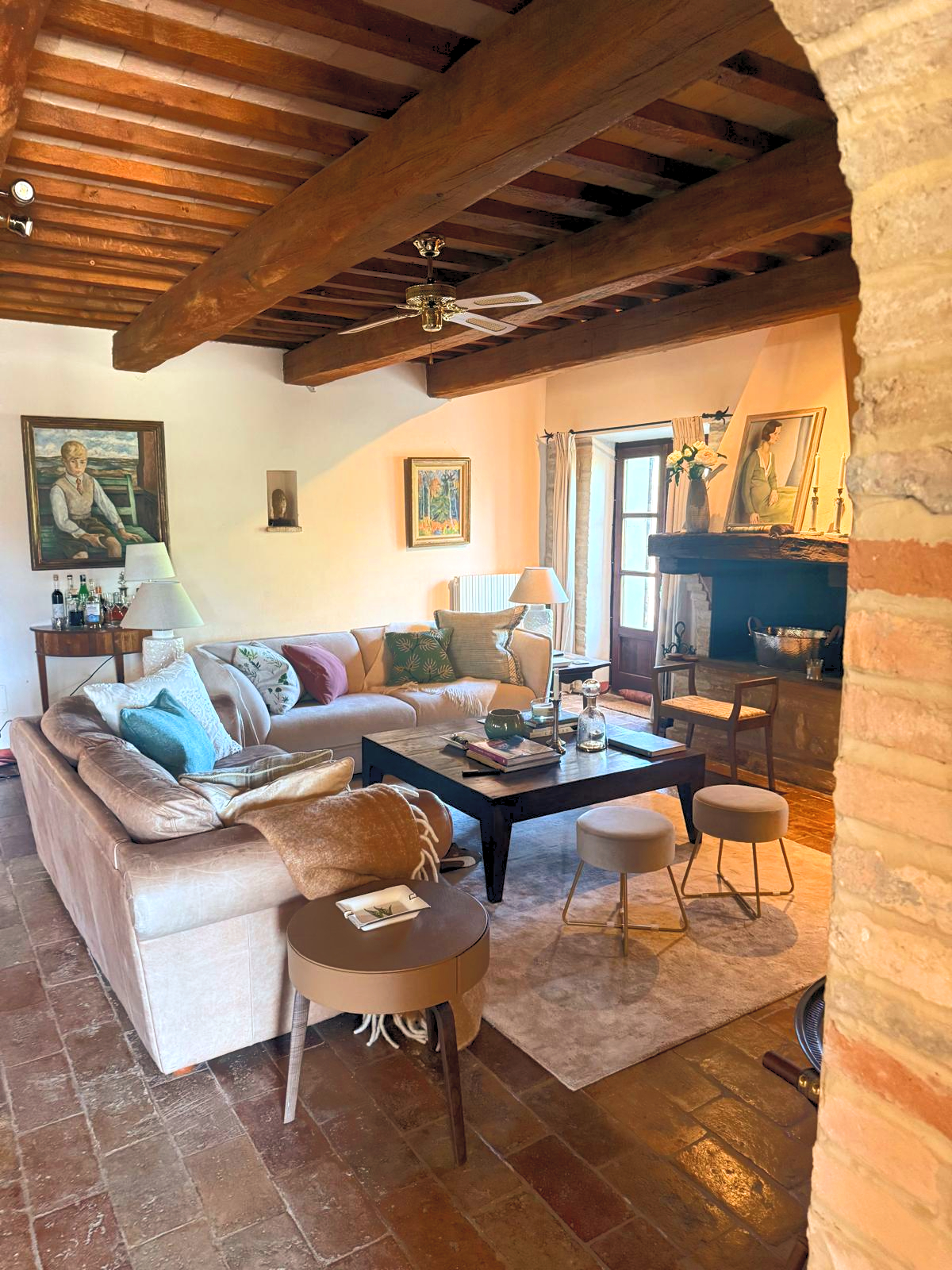
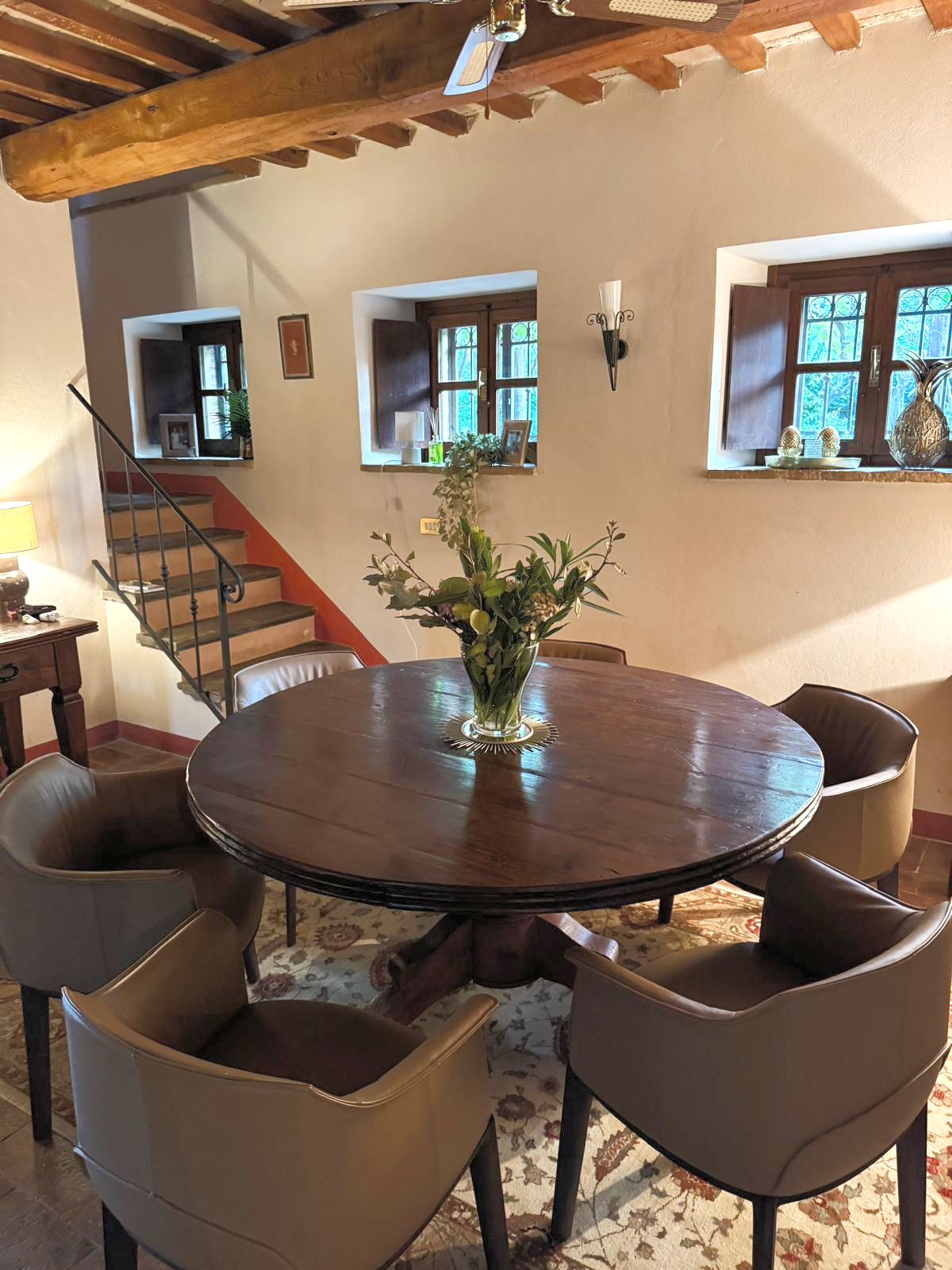
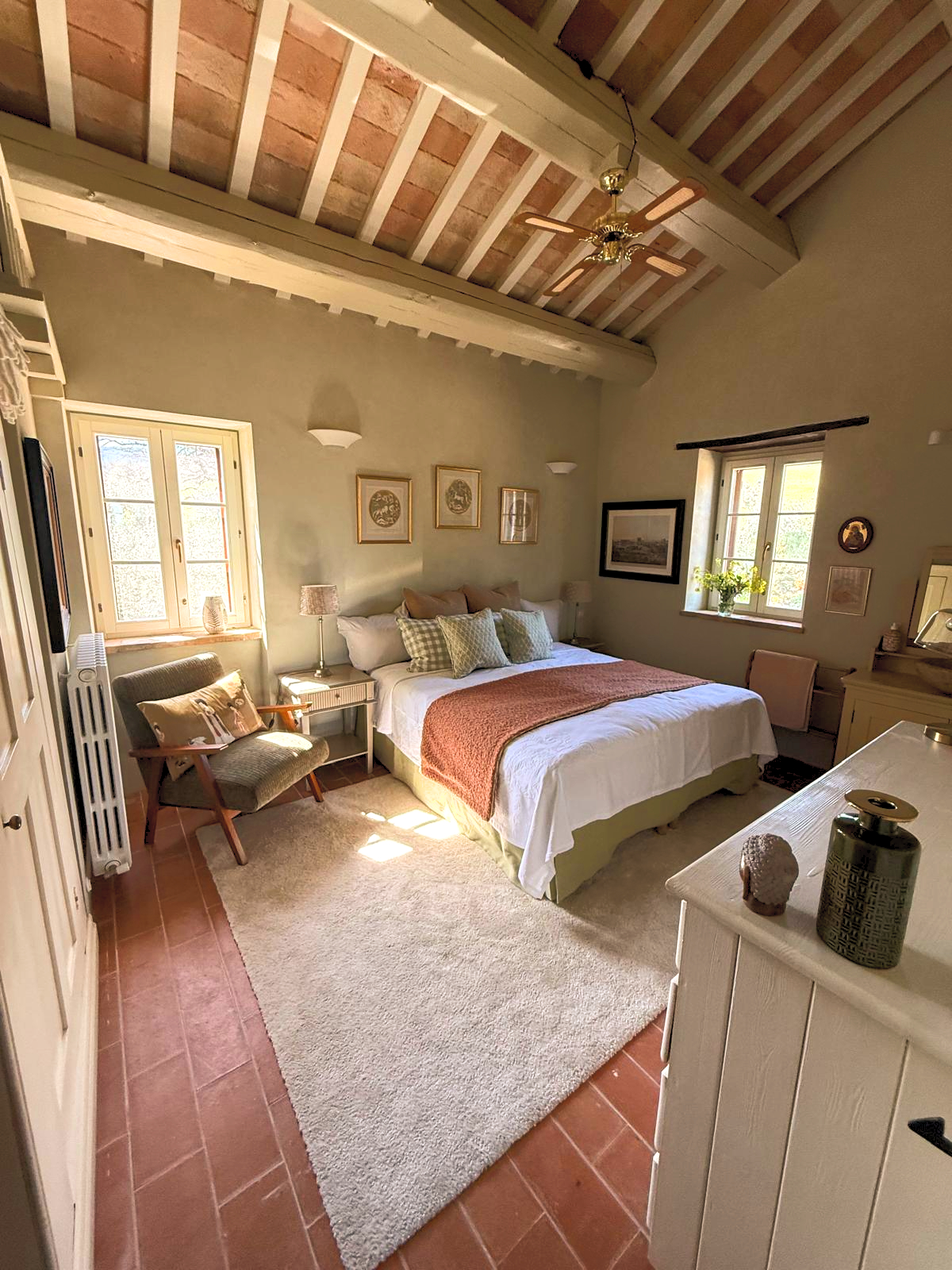
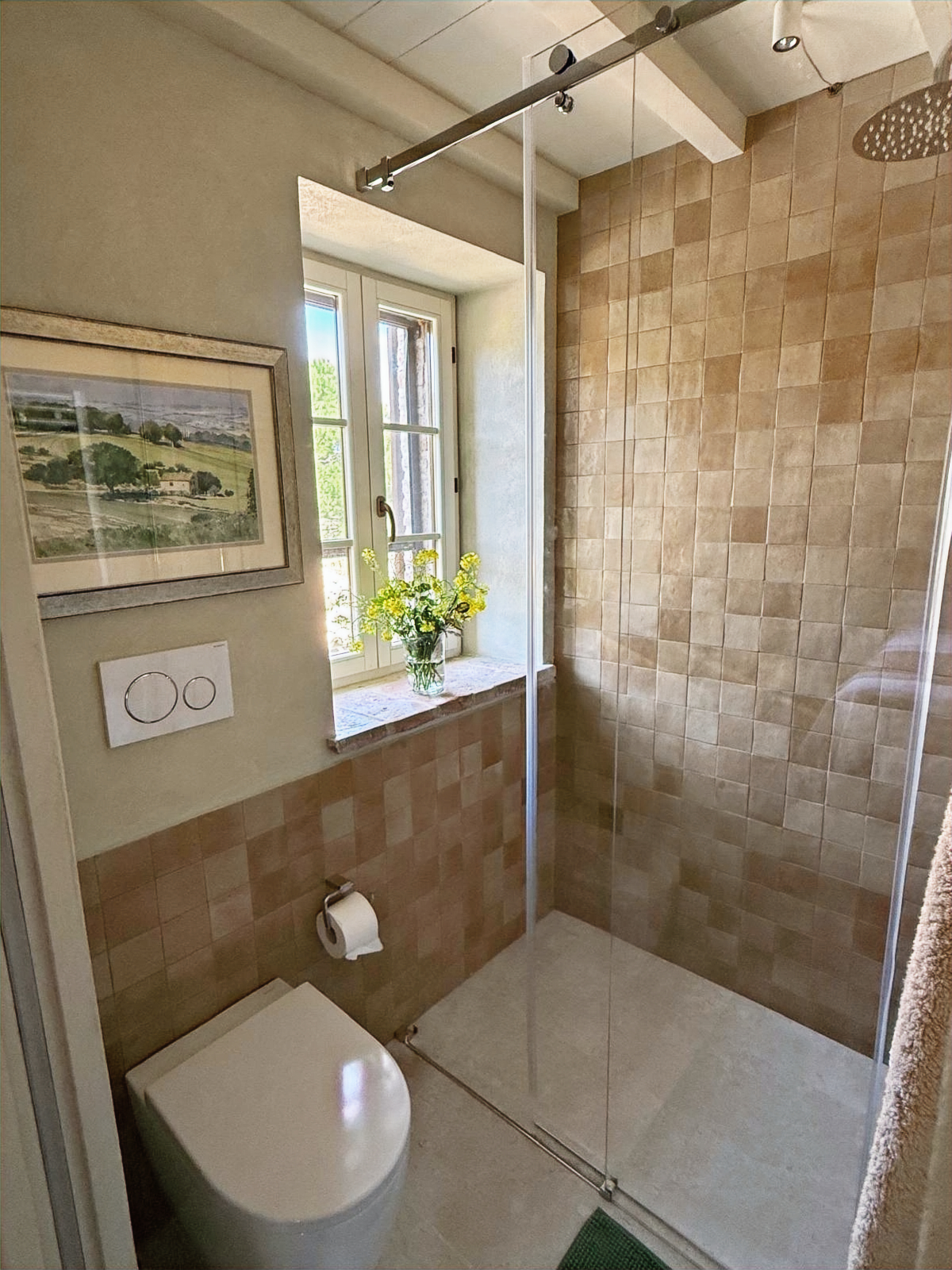
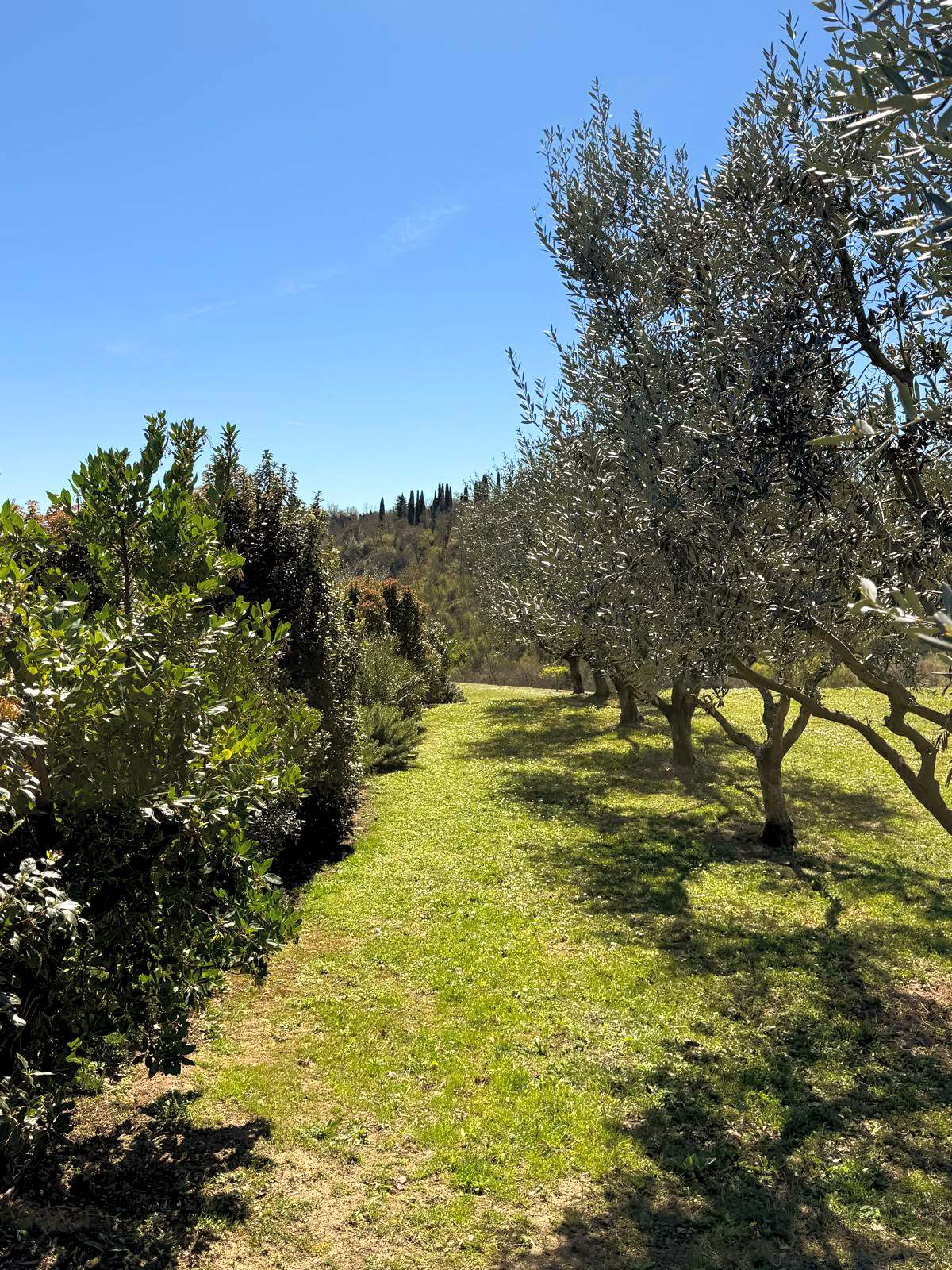
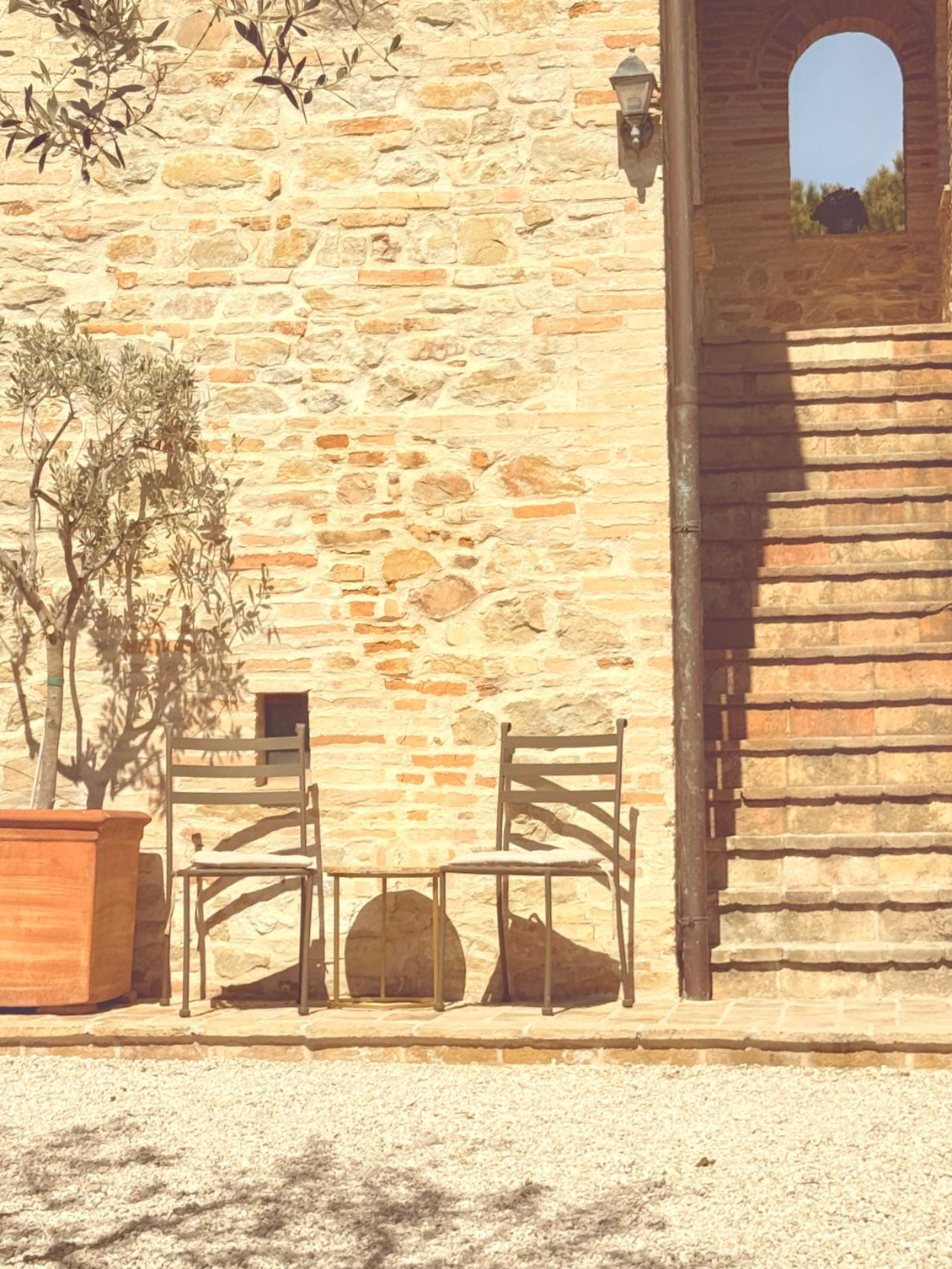
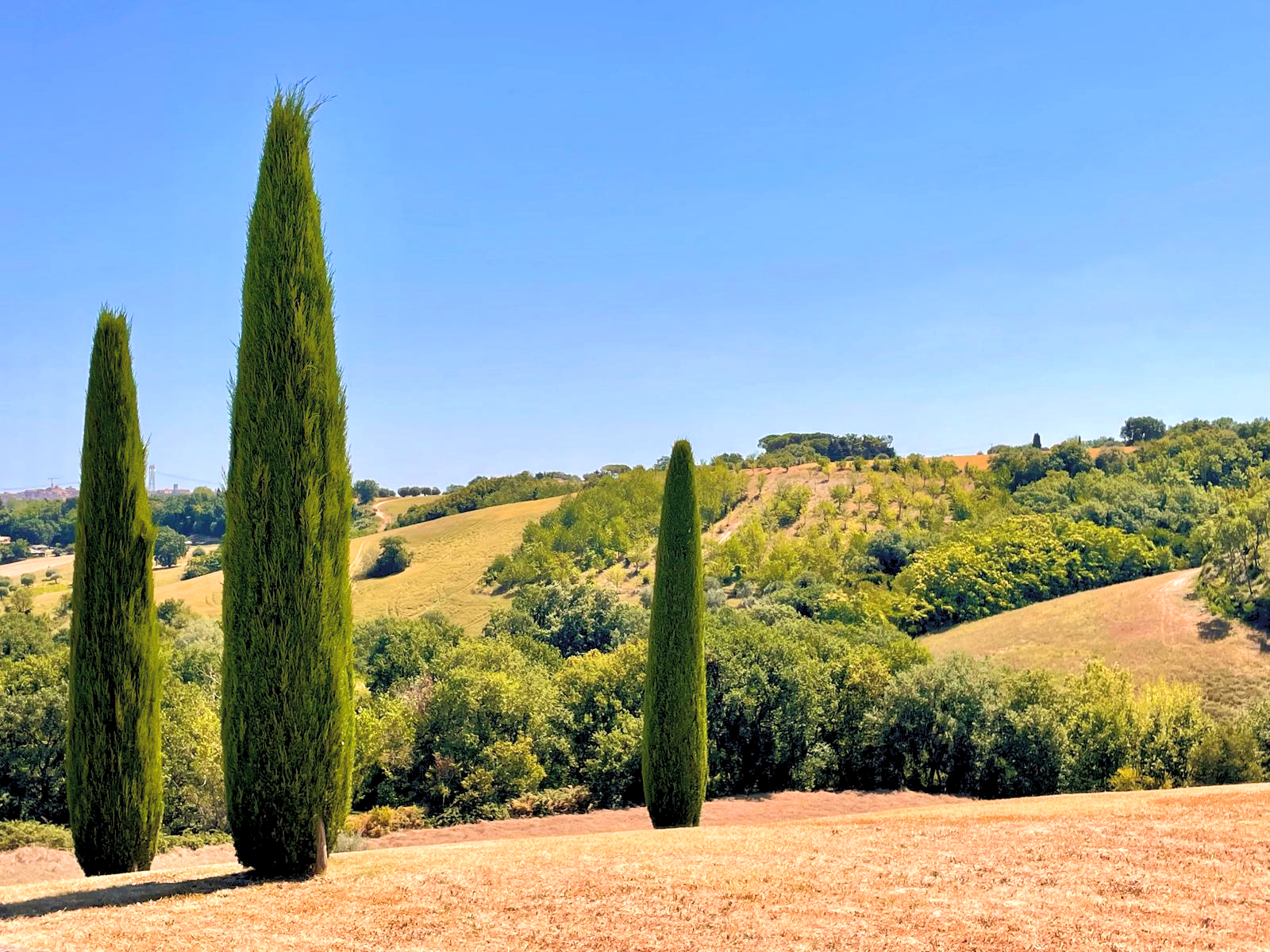
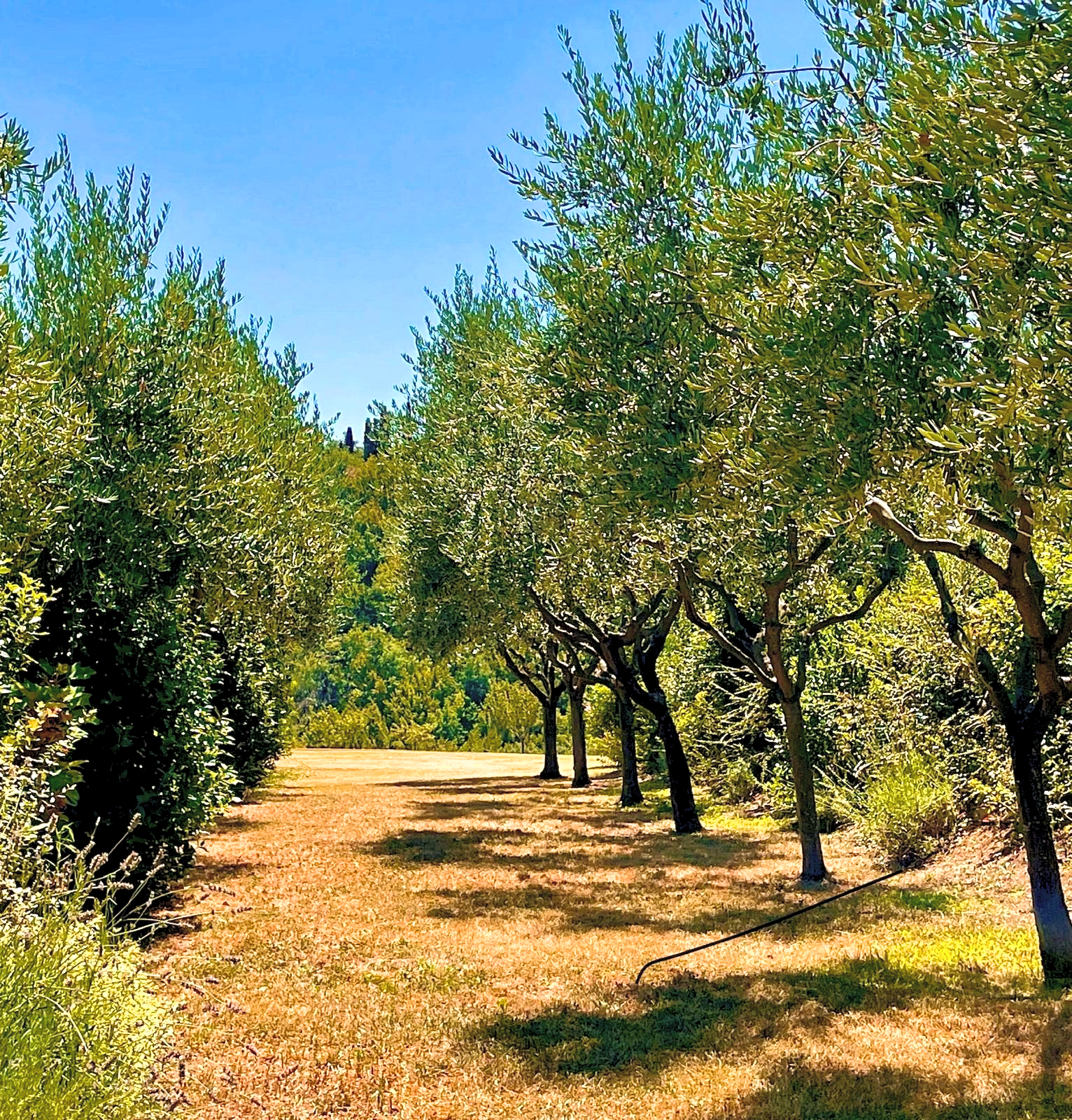
From the peaks of the Apennine Mountains to the shores of the Adriatic Sea, Marche remains one of Italy’s most beautiful—and most undiscovered—regions. Rolling hills, medieval hill towns, vineyards, and olive groves create the timeless landscape so often associated with the Italian countryside. From Casale la Quercia, you are perfectly placed to explore it all: mountains, coast, and everything in between.
Often called “the farming Tuscany,” Marche offers the same rich food culture, historic charm, and breathtaking views—without the crowds. Life here moves to a gentler rhythm: morning markets in village squares, long lunches beneath olive trees, and warm evenings that linger late into the night.
For visitors, it’s a rare chance to experience Italy as it is truly lived.
Each day in Le Marche countryside can unfold in its own way. One morning might begin at a local market, another with a swim in the Adriatic or a walk in the mountains. Afternoons invite exploration—hill towns, vineyards, and quiet country roads—before returning home as soft evening light settles over the valley.
At Casale la Quercia, the beauty of this remarkable region is always within easy reach.
Perfectly placed to explore

The Adriatic coast of Marche is known for its clear waters and unspoiled beaches. The shoreline alternates between long sandy stretches and hidden coves framed by cliffs and Mediterranean vegetation.
Near the regional capital Ancona rises the spectacular headland of Monte Conero, where the famous Riviera del Conero reveals some of the most beautiful beaches in the region.
White limestone cliffs drop into the deep blue sea, creating secluded bays often reached only by boat or scenic walking paths. Small seaside villages such as Portonovo offer relaxed beach days and simple seafood restaurants where lunch can easily turn into a long afternoon by the water.
Further south, the elegant seaside town of Porto San Giorgio is known for its long sandy beaches, palm-lined promenade and lively coastal atmosphere. Here you will find numerous seaside restaurants serving fresh seafood and classic Italian dishes, making it a wonderful place to spend a day by the sea before returning to the peaceful countryside.
The Adriatic Coast

The Apennines and the Sibillini Mountains
Just over an hour from the house, the rolling countryside rises into the wild landscapes of the Monti Sibillini National Park in the Apennine Mountains.
This vast protected area of more than 70,000 hectares is one of central Italy’s most beautiful hiking regions, with dramatic peaks, flower-filled plateaus and deep valleys carved by mountain rivers.
Trails range from gentle countryside walks to more challenging alpine routes, offering sweeping views across the Italian peninsula. The park takes its name from Monte Sibilla, long associated with the legend of a mysterious prophetess said to live in a cave high in the mountains.

Hill towns and culture
The region is dotted with remarkable historic towns, including Macerata, Urbino, and Assisi in neighbouring Umbria. Smaller medieval villages appear around every bend in the road, each with its own quiet piazza, local bakery and family-run trattoria waiting to be discovered.
Often the most memorable moments happen unexpectedly — a village festival, a roadside vineyard, or an evening spent wandering ancient streets as the bells of a church echo across the hills.
Macerata
Just twenty minutes from the house lies Macerata, a lively university town with elegant architecture and a vibrant cultural life. Each summer the city hosts the renowned opera festival at the spectacular Sferisterio, a monumental open-air arena where performances take place beneath the night sky. Attending an opera here is an unforgettable experience, combining world-class music with the magic of a warm Italian summer evening.

Hill towns and culture continued
Loreto
Perched on a hill overlooking the Adriatic Sea, Loreto is one of the most important pilgrimage sites in the Christian world and has welcomed visitors for centuries. The town is best known for the magnificent Basilica della Santa Casa, which according to tradition houses the Holy House of the Virgin Mary brought from Nazareth, as well as the revered Black Madonna of Loreto carved from cedar wood.
Assisi
A little further south lies the UNESCO World Heritage site Assisi, one of Italy’s most beautiful and spiritual towns and best known as the birthplace of Francis of Assisi. The magnificent Basilica of St. Francis, filled with extraordinary frescoes, draws visitors from around the world. Beyond its religious significance, Assisi is simply a stunning hill town, with quiet streets, flower-filled balconies and views stretching across the Umbrian valley.
Urbino
The Renaissance city of Urbino is one of the cultural jewels of central Italy and a UNESCO World Heritage site. Set high in the hills, its elegant palaces and winding streets reflect the golden age of the Italian Renaissance. The city was once the court of Duke Federico da Montefeltro and the birthplace of the painter Raphael. Today visitors wander through beautifully preserved streets, visit the magnificent Ducal Palace, and enjoy sweeping views over the rolling countryside that surrounds the city.